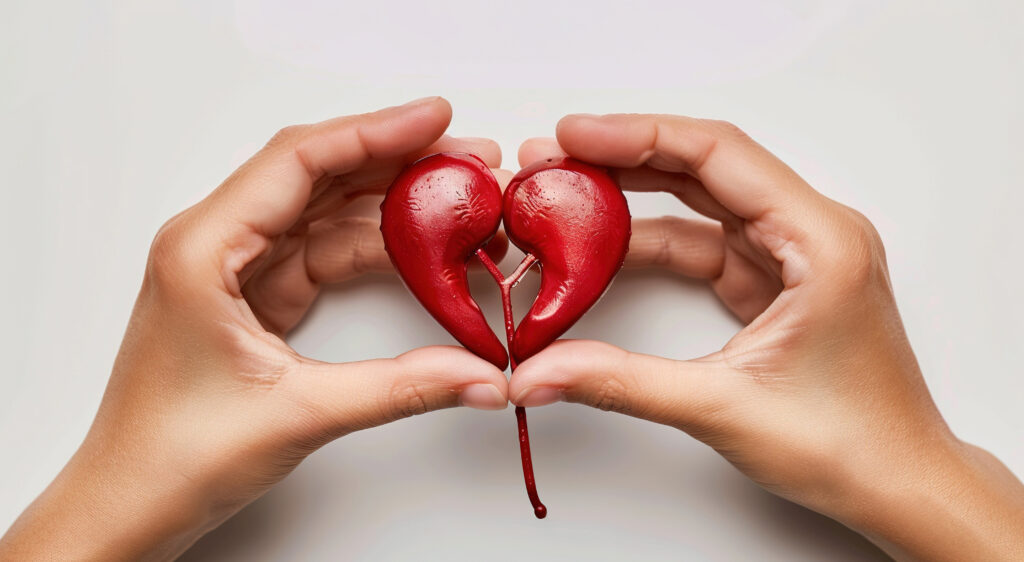
ESC Congress 2026: Supporting Holistic Cardiovascular Care

ESC Congress 2026: Supporting Holistic Cardiovascular Care

Daiichi Sankyo Europe recently attended the annual European Society of Cardiology (ESC) Congress 2026 in Munich, where healthcare professionals and researchers from around the world came together to exchange ideas and explore advances in cardiovascular care.

This year’s congress reinforced the need for a broader view of heart health. As psychological well-being, social relationships, lifestyle, diet and physical fitness can all shape cardiovascular outcomes.

With a spotlight on artificial intelligence (AI), the ESC Congress 2026 also explored how AI is becoming a co-pilot in patient care, supporting greater precision, speed and safety from diagnosis through to delivery. While technology is reshaping cardiovascular care, it is equally important to ensure that care remains patient-centric.

Following the success of previous years, Daiichi Sankyo invited four experts in holistic heart health to present at its booth at ESC. Their sessions brought the connections between mind, body and diet to life, exploring psychocardiology, physical activity for cardiovascular prevention and how to navigate nutrition information in an era of attention-grabbing headlines and online misinformation. Also, Daiichi Sankyo explored the potential of digital technologies and AI to support earlier detection and more precise cardiovascular care, while complementing clinical judgement, evidence-based practice and communication between patients and healthcare professionals. Read more to discover key insights and practical takeaways from our sessions this year.
Heart health by Claudia Garbrecht at ESC 2026
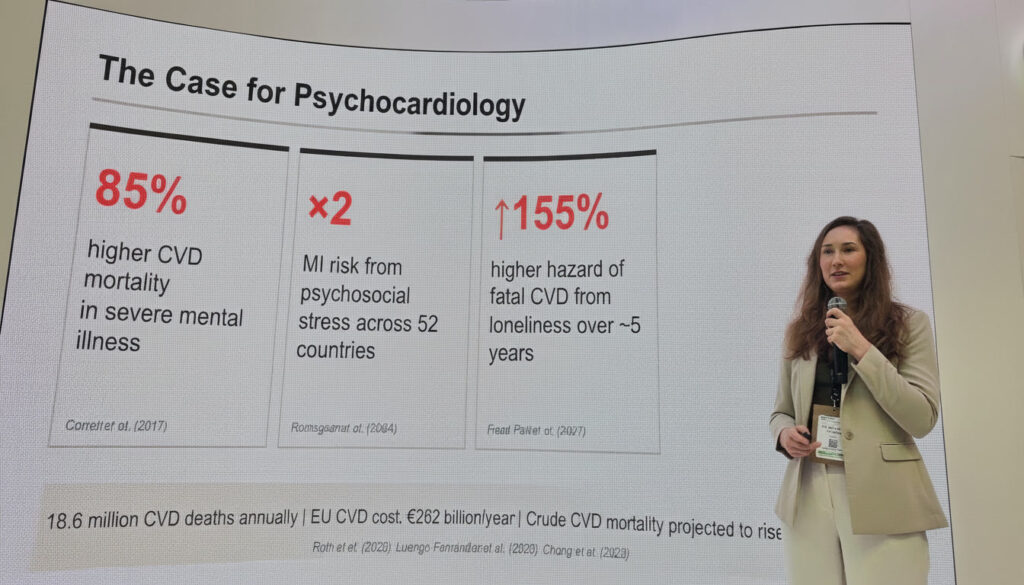
Claudia Garbrecht presenting the heart-brain connection to heart health

Mind: Why the heart-brain connection matters

Psychologist, consultant and speaker Claudia Garbrecht introduced psychocardiology: an interdisciplinary field that explores how mental health and well-being, individual factors and social and environmental factors influence heart health.1

The session highlighted the impact of mental and social well-being on cardiovascular outcomes. In particular, severe mental illness, stress and loneliness are linked to poorer heart health.2, 3 This may be due to behavioural mechanisms such as sleep disturbances, unhealthy lifestyle behaviours and poor adherence to medication and rehabilitation programmes.4

However, there is good news. Many of these factors can be addressed. The question now is no longer whether psychological factors matter for CVD outcomes, but what we can do about them. Mental illness screening, relaxation exercises and positive psychological resources may all help improve outcomes.5, 6, 7
Heart health by Klara Fuchs at ESC 2026
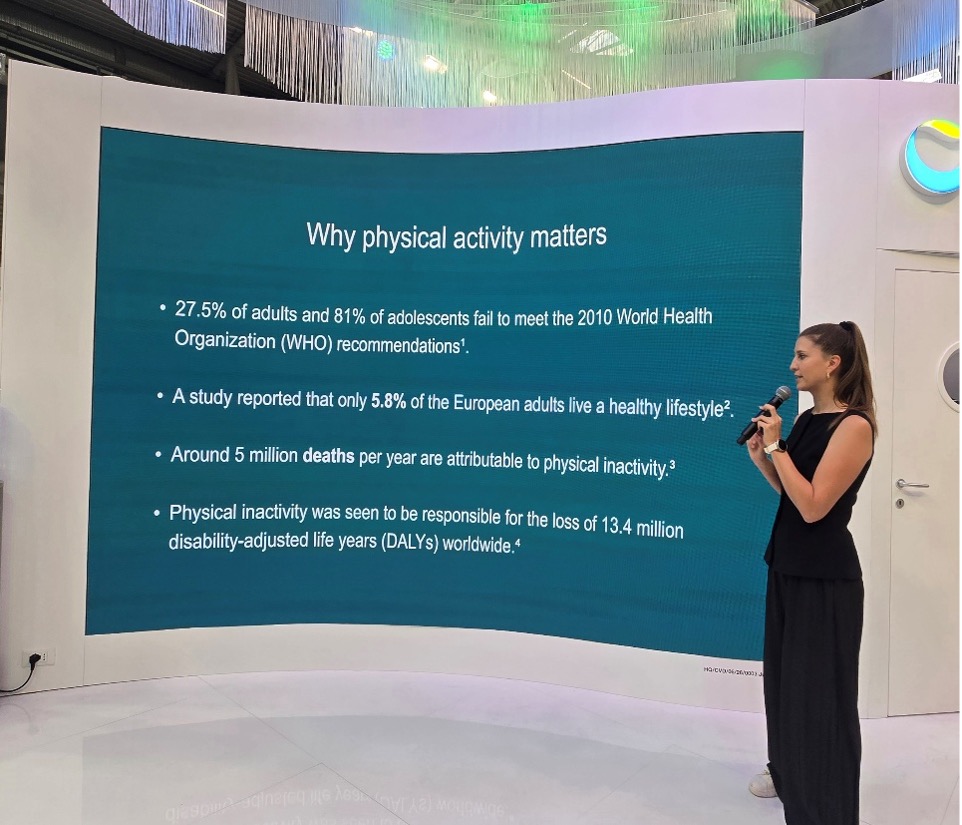
Klara Fuchs highlighting physical activity as an accessible tool for improving hearth health

Body: Turning physical activity into cardiovascular prevention

Sports scientist Dr Klara Fuchs explored the role of physical activity as an effective, accessible tool for cardiovascular disease prevention.

According to the evidence presented, 27.5% of adults and 81% of adolescents do not meet World Health Organization physical activity recommendations, while around five million deaths each year are attributable to physical inactivity.8, 9 Regular movement can lower systolic and diastolic blood pressure, reduce inflammation and effectively reduce blood glucose levels.10, 11

For healthcare professionals, effective support begins with understanding each patient’s medical history, medication and potential risks.12 However, apart from physical health, personal life circumstances and barriers can also play a role. Dr. Klara Fuchs recommends HCPs to consider barriers such as socio-economic status, fear, stigma as well as domestic responsibilities.12, 13

Using the FITT principle—frequency, intensity, time and type—can help turn general advice into an achievable plan. The aim is to work progressively towards 150 minutes of moderate physical activity each week, with resistance training where appropriate.14, 15

Her take-home message was simple: some physical activity is better than none. Small, enjoyable and sustainable steps can support both physical and mental well-being.15
Heart health by Thomas Butler at ESC 2026
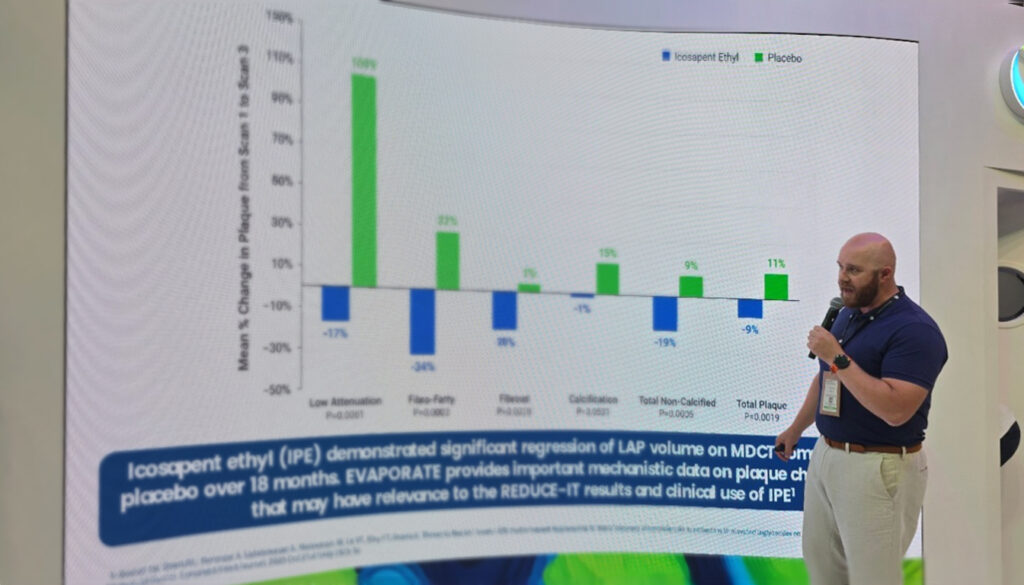
Thomas Butler exploring links between nutrition and heart health.

Food: Looking beyond nutrition headlines in cardiovascular prevention

Dr Tom Butler explored how nutrition headlines can oversimplify cardiovascular health. His key message was to focus on overall dietary patterns and robust evidence—not simplistic “good” or “bad” food labels.

With his substantial research on the link between dairy intake and cardiovascular risks, Dr. Tom Butler found fermented dairy foods such as cheese and yoghurt may affect LDL cholesterol and cardiovascular risk differently from butter, highlighting why the dairy matrix matters.16, 17, 18

He also addressed the popularity of supplements. While research into vitamin K2, aged garlic extract and omega-3 therapies continues, these products should not replace proven lifestyle measures or prescribed treatment.19, 20, 21

Finally, Dr Butler urged caution around broad claims about ultra-processed foods. Processing alone does not determine a food’s nutritional quality or its place in an individual’s overall diet.22

Collaboration is essential for holistic heart health care

ESC Congress 2026 in Munich reinforced that cardiovascular health is shaped by interconnected physical, psychological and social factors. Improving outcomes therefore requires collaboration across clinical disciplines and health-related professions, together with practical, personalised support that helps patients take an active role in their care. By bringing different perspectives together, we can move beyond treating individual risk factors and work towards care that supports holistic heart health. If you’re interested in learning more on our insights to holistic heart health care, take a look at our two European Heart Health Survey factsheets: “Your Heart, Your Health: Navigating Cardiovascular Health” and “Cardiovascular Care: Enhancing Patient Engagement and Education”.23


References

[1] 

Garbrecht, C., & Dores, H. (2026). Why does psychology matter in cardiovascular care? An introduction to the heart-brain connection. Cardiology Clinics.

Available here: https://doi.org/10.1016/j.ccl.2025.12.003 Last Accessed October 2026.
[2] 

Correll, C. U et al. (2017). Prevalence, incidence and mortality from cardiovascular disease in patients with pooled and specific severe mental illness: A large‐scale meta‐analysis of 3,211,768 patients and 113,383,368 controls. World Psychiatry, 16(2), 163–180.

Available here: https://doi.org/10.1002/wps.20420 Last Accessed October 2026.
[3] 

Freak-Poli, R., Ryan, J., Neumann, J. T., Tonkin, A., Reid, C. M., Woods, R. L., … & Owen, A. J. (2021). Social isolation, social support and loneliness as predictors of cardiovascular disease incidence and mortality. BMC geriatrics, 21(1), 711.

Available here: https://doi.org/10.1186/s12877-021-02602-2 Last Accessed October 2026.
[4] 

De Hert, M., Detraux, J., & Vancampfort, D. (2018). The intriguing relationship between coronary heart disease and mental disorders. Dialogues in clinical neuroscience, 20(1), 31-40.

Available here: https://doi.org/10.31887/dcns.2018.20.1/mdehert Last Accessed October 2026.
[5] 

Levine, G. N., Carney, R. M., Cohen, B. E., Dunn, S. L., Gaffey, A. E., Kronish, I. M., … & American Heart Association Stroke Council; Council on Cardiovascular and Stroke Nursing; Council on Clinical Cardiology; Council on Quality of Care and Outcomes Research; and Council on Lifelong Congenital Heart Disease and Heart Health in the Young. (2025). Post–Myocardial Infarction Psychological Distress: A Scientific Statement From the American Heart Association. Circulation, 152(16), e298-e310.

Available here: https://doi.org/10.1161/CIR.0000000000001381 Last Accessed October 2026.
[6] 

Calderone, A., Marafioti, G., Latella, D., Corallo, F., D’Aleo, P., Quartarone, A., & Calabrò, R. S. (2025). Effectiveness of relaxation techniques for stress management and quality of life improvement in cardiovascular disease and hypertensive patients: a systematic review. Psychology, health & medicine, 30(7), 1281-1352.

Available here: https://doi.org/10.1080/13548506.2025.2458255 Last Accessed October 2026.
[7] 

Kubzansky, L. D., Huffman, J. C., Boehm, J. K., Hernandez, R., Kim, E. S., Koga, H. K., … & Labarthe, D. R. (2018). Positive psychological well-being and cardiovascular disease: JACC health promotion series. Journal of the American College of Cardiology, 72(12), 1382-1396.

Available here: https://doi.org/10.1016/j.jacc.2018.07.042 Last Accessed October 2026.
[8] 

Bull FC, Al-Ansari SS, Biddle S, et al World Health Organization 2020 guidelines on physical activity and sedentary behaviour British Journal of Sports Medicine 2020;54:1451-1462.

[9] 

Lee, I. M., Shiroma, E. J., Lobelo, F., Puska, P., Blair, S. N., Katzmarzyk, P. T., & Lancet Physical Activity Series Working Group (2012).Effect of physical inactivity on major non-communicable diseases worldwide: an analysis of burden of disease and life expectancy.Lancet (London, England), 380(9838), 219–229.

Available here: https://doi.org/10.1016/S0140-6736(12)61031-9 Last Accessed October 2026.
[10] 

Wen H, Wang L. Reducing effect of aerobic exercise on blood pressure of essential hypertensive patients: A meta-analysis. Medicine (Baltimore). 2017;96:e6150.

[11] 

Rose AJ, Richter EA. Skeletal muscle glucose uptake during exercise: how is it regulated? Physiology (Bethesda). 2005;20:260-70.

[12] 

Rooney, D., Gilmartin, E., & Heron, N. (2023). Prescribing exercise and physical activity to treat and manage health conditions. The Ulster medical journal, 92(1), 9–15.

[13] 

Rubino, F., Puhl, R.M., Cummings, D.E. et al. Joint international consensus statement for ending stigma of obesity. Nat Med 26, 485–497 (2020).

Available here: https://doi.org/10.1038/s41591-020-0803-x Last Accessed October 2026.
[14] 

Garber, C. E., et al. & American College of Sports Medicine (2011). American College of Sports Medicine position stand. Quantity and quality of exercise for developing and maintaining cardiorespiratory, musculoskeletal, and neuromotor fitness in apparently healthy adults: guidance for prescribing exercise. Medicine and science in sports and exercise, 43(7), 1334–1359.

[15] 

WHO guidelines on physical activity and sedentary behaviour. Geneva: World Health Organization; 2020. Licence: CC BY-NC-SA3.0 IGO.

[16] 

Zhuang P, Liu X, Li Y, Ao Y, Wu Y, Ye H, Wan X, Zhang L, Meng D, Tian Y, Yu X. A global analysis of dairy consumption and incident cardiovascular disease. Nature Communications. 2025 Jan 6;16(1):437.

[17] 

Lamarche B, Astrup A, Eckel RH, Feeney E, Givens I, Krauss RM, Legrand P, Micha R, Michalski MC, Soedamah-Muthu S, Sun Q. Regular-fat and low-fat dairy foods and cardiovascular diseases: perspectives for future dietary recommendations. The American Journal of Clinical Nutrition. 2025 May 1;121(5):956-64.

[18] 

Pradeilles R, Norris T, Sellem L, Markey O. Effect of isoenergetic substitution of cheese with other dairy products on blood lipid markers in the fasted and postprandial state: an updated and extended systematic review and meta-analysis of randomized controlled trials in adults. Advances in nutrition. 2023 Nov 1;14(6):1579-95.

[19] 

Vossen LM, de Leeuw PW, Schurgers LJ, Heuts S, Adriaans BP, de Haan C, van Varik BJ, Kroon AA. Two years of menaquinone-7 supplementation and coronary artery calcification: a randomized clinical trial. JAMA cardiology. 2026 Jun 10.

[20] 

Shaikh K, Kinninger A, Cherukuri L, Birudaraju D, Nakanishi R, Almeida S, Jayawardena E, Shekar C, Flores F, Hamal S, Sheikh MS. Aged garlic extract reduces low attenuation plaque in coronary arteries of patients with diabetes: a randomized, double-blind, placebo-controlled study. Experimental and therapeutic medicine. 2020 Feb;19(2):1457-61.

[21] 

Kalstad, A.A., Myhre, P.L., Laake, K., Tveit, S.H., Schmidt, E.B., Smith, P., Nilsen, D.W.T., Tveit, A., Fagerland, M.W., Solheim, S. and Seljeflot, I., 2021. Effects of n-3 fatty acid supplements in elderly patients after myocardial infarction: a randomized, controlled trial. Circulation, 143(6), pp.528-539.

[22] 

Guasti L, Bonaccio M, Abreu A, Asteggiano R, Bes-Rastrollo M, Christodorescu R, De Gaetano G, Ferrini M, Marques-Vidal P, Pathak A, Richter D. Ultra-processed foods, lifestyle management, and cardiovascular diseases: A clinical consensus statement of the European Society of Cardiology Council for Cardiology Practice and the European Association of Preventive Cardiology of the European Society of Cardiology. European Heart Journal. 2026 Jul 14;47(27):3456-73.

[23] 

Daiichi Sankyo Europe CVD. A European Heart Health Survey: Public Perceptions on Cardiovascular Care. May 2025. Responses gathered from multiple choice survey across Austria, Belgium, Germany, Italy, Portugal, Spain from 3,674 patients and 4,906 members of the public.

You are now leaving our website. Please note that our terms of use (especially those mentioned under "Disclaimer" and "Imprint") are no longer valid as soon as you click on the "Continue" button. As we do not have any influence on linked websites, we assume no liability for their content. If you would like to return to our website, please click the "Return" button.

ReturnContinue